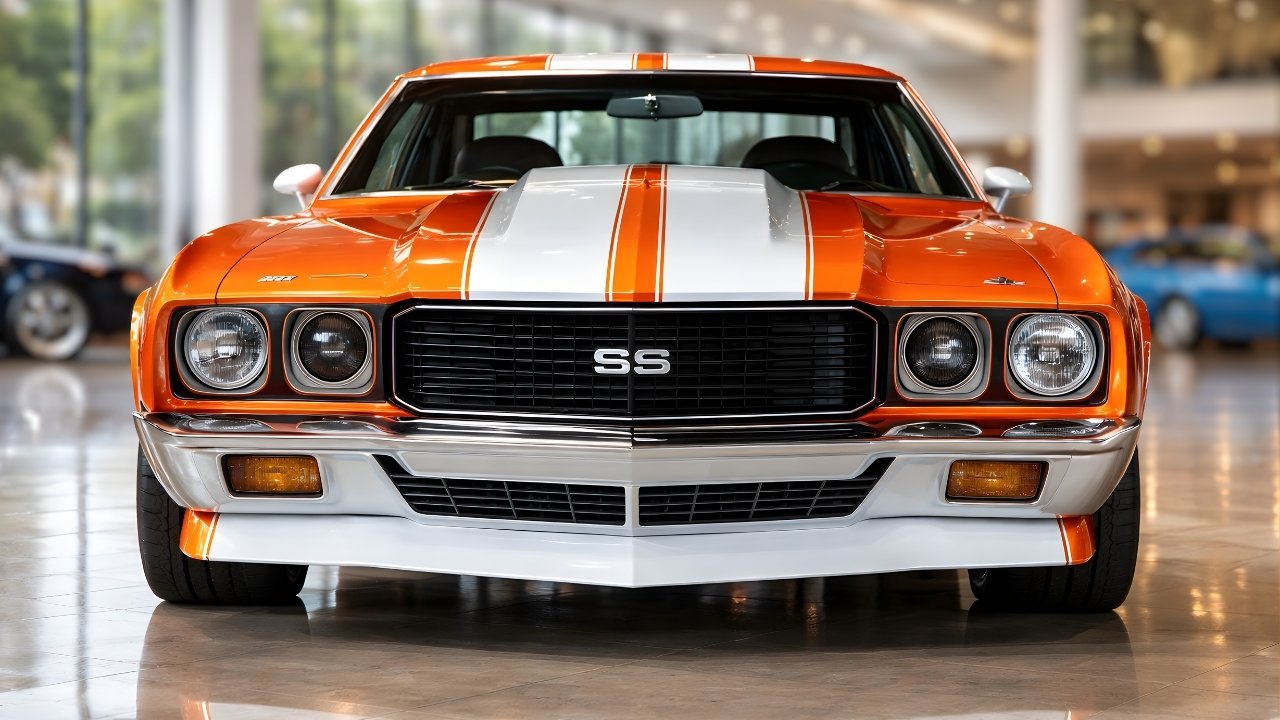
The Chevrolet Chevelle SS name carries deep emotional value across generations, symbolizing a golden era of American performance and style. For 2026, the Chevelle SS exists not as an officially confirmed production model but as a widely discussed concept that reflects how classic muscle could evolve into a refined, technology driven luxury coupe or sedan for a global market. Designers, analysts, and enthusiasts imagine it as a bridge between heritage and modern mobility, blending presence, comfort, and performance.
In this conceptual form, the Chevelle SS 2026 is often positioned as a premium grand touring vehicle rather than a raw muscle car. The idea focuses on elegance, long distance comfort, and advanced technology while retaining visual cues that honor the original Chevelle identity. These interpretations are based on industry trends and design logic rather than manufacturer confirmation, making it important to view the vehicle as a forward looking study rather than a guaranteed release.
Exterior Design and Coachbuilt Influence
Speculative renderings of the Chevelle SS 2026 emphasize a long hood, wide stance, and sculpted surfaces that convey confidence without excess aggression. The design language typically mixes retro inspired proportions with modern aerodynamic shaping, including slim LED lighting, flush door handles, and large diameter alloy wheels. This approach aligns with current luxury coupe and fastback trends seen across global markets.

Coachbuilt influence plays a central role in how the concept is imagined. Subtle chrome accents, carefully contoured body panels, and a strong shoulder line suggest a vehicle crafted for visual impact and exclusivity. Estimated dimensions place it in the mid to full size performance category, with a length of roughly 4.9 to 5.1 meters and a wide track to support both dynamic stability and interior space. These figures are estimates derived from comparable luxury performance models rather than official specifications.
Interior Luxury and Comfort Focus
Inside, the conceptual Chevelle SS 2026 is envisioned as a refined luxury environment that prioritizes comfort and craftsmanship. Premium materials such as leather, brushed metal, and sustainable wood alternatives are often imagined as part of the cabin theme. Seating layouts focus on generous legroom and supportive ergonomics, making the car suitable for extended journeys rather than short performance drives alone.

Technology integration is expected to be seamless and understated. Large curved displays, advanced voice control, and customizable ambient lighting are commonly associated with this concept. While no official interior has been revealed, industry expectations suggest features like multi zone climate control, advanced driver assistance systems, and high end audio would be essential to compete in the premium segment. These elements reflect broader luxury mobility trends rather than confirmed equipment lists.
Powertrain Possibilities and Performance Outlook
Powertrain discussions around the Chevelle SS 2026 remain speculative, with several realistic possibilities based on current automotive direction. One widely discussed option is a modern V8 engine, potentially paired with mild hybrid technology to balance performance with efficiency. Estimated output figures often range between 450 and 650 horsepower depending on configuration, aligning with global high performance luxury coupes.

Alternative scenarios include a plug in hybrid or fully electric variant designed to meet future emissions standards and appeal to new buyers. An electric version, if imagined, is often estimated to offer a range between 450 and 550 kilometers depending on battery size and driving conditions. These figures are projections based on existing electric performance vehicles and should be viewed as conceptual rather than promised capabilities.
Technology, Safety, and Future Mobility Trends
The Chevelle SS 2026 concept is frequently associated with advanced digital architecture and semi autonomous driving support. Features such as adaptive cruise control, lane centering, automated parking, and over the air software updates fit naturally into this vision. These technologies are now standard expectations in the luxury segment and would be essential for a modern Chevelle interpretation.

Connectivity and personalization also define the future mobility angle. The vehicle is often imagined as part of a connected ecosystem, allowing drivers to integrate navigation, entertainment, and vehicle settings through cloud based platforms. This approach supports the idea of the Chevelle SS not just as a car, but as a lifestyle product designed for global travelers who value convenience, safety, and digital integration.
Estimated Pricing and Global Market Positioning
Without official confirmation, pricing for the Chevelle SS 2026 remains an estimate based on its imagined positioning. Industry observers often place it in the range of 70,000 to 100,000 US dollars depending on powertrain and specification. This would situate the vehicle among premium performance coupes and luxury sedans rather than mass market muscle cars.

From a global perspective, the concept targets buyers seeking individuality, heritage inspired design, and modern comfort. Potential markets include North America, parts of Europe, the Middle East, and select Asia Pacific regions where luxury performance vehicles have strong demand. The Chevelle SS concept appeals to experienced buyers who appreciate legacy branding but expect contemporary refinement and technology.
Cultural Impact and the Future of Heritage Revivals
The ongoing interest in a Chevelle SS 2026 highlights a broader cultural trend within the automotive world. Legacy nameplates are increasingly viewed as platforms for reinvention rather than simple nostalgia. The Chevelle concept demonstrates how classic identity can be reinterpreted through the lens of luxury mobility, sustainability, and global appeal.
While the Chevelle SS 2026 remains a concept shaped by speculation and creative exploration, its popularity signals strong demand for emotionally resonant vehicles with modern substance. Whether or not it becomes a production reality, the idea reflects how future travel may balance tradition, comfort, and advanced technology in a single, elegant form.