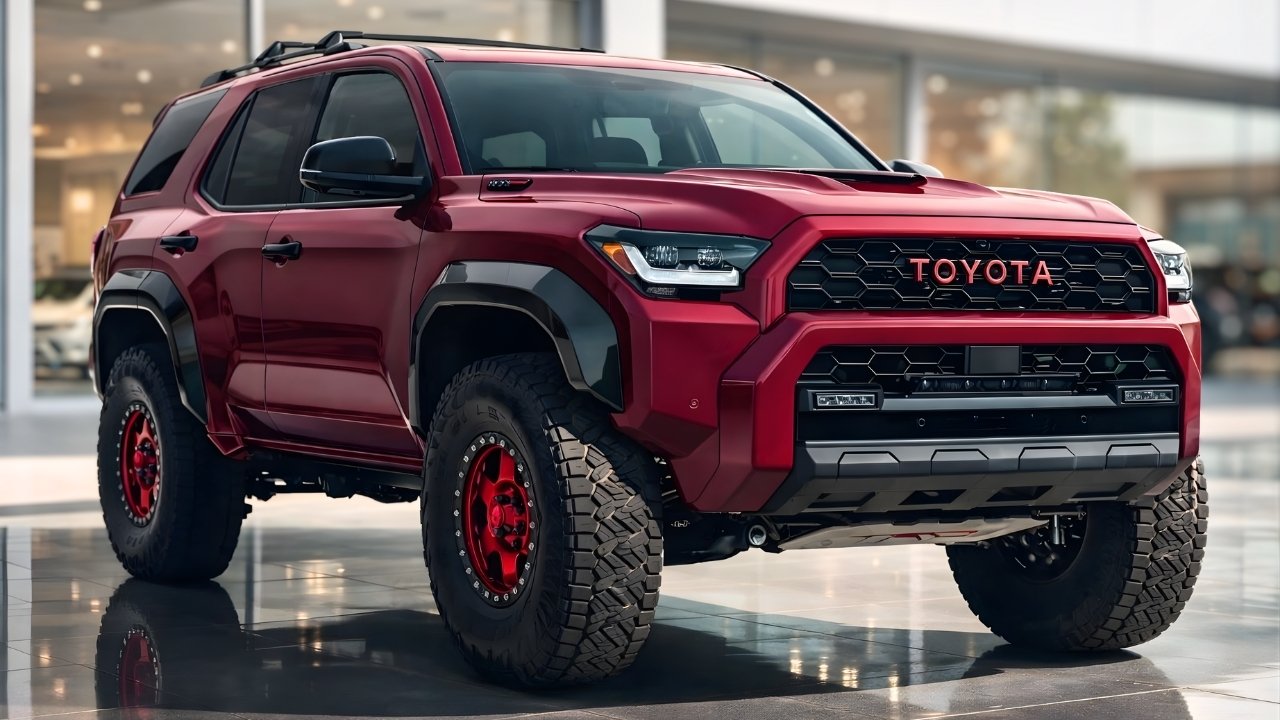
The Toyota 4Runner 2026 represents a significant evolution of one of the world’s most respected adventure oriented SUVs, balancing rugged heritage with a refined, premium direction. Designed for a global audience that values durability as much as comfort, the latest 4Runner moves closer to the luxury mobility space while preserving its core identity. This generation reflects changing buyer expectations where off road credibility must coexist with modern design, digital intelligence, and everyday usability.
From urban boulevards to remote landscapes, the 2026 model positions itself as a versatile lifestyle vehicle rather than a niche utility SUV. Toyota’s approach suggests a long term vision aimed at customers who seek dependable engineering, elevated interior craftsmanship, and future focused technology. While some details remain market dependent, the overall direction emphasizes refinement, global appeal, and longevity in a rapidly evolving mobility landscape.
Exterior Design And Coachbuilt Inspired Proportions
The exterior design of the Toyota 4Runner 2026 adopts a more architectural and confident stance, with proportions that feel purposeful yet contemporary. Expect squared shoulders, a higher beltline, and a bold front fascia that aligns with Toyota’s latest design language. Sculpted body panels, integrated lighting elements, and refined surface detailing give the SUV a more coachbuilt presence without drifting into excess or visual complexity.

This design evolution is intended to appeal to premium buyers who appreciate timeless aesthetics over trend driven styling. Functional elements such as increased ground clearance, upright glass areas, and robust wheel arches remain central to the design. While specific dimensions may vary by market, the 4Runner is estimated to sit close to five meters in length, offering a commanding road presence while maintaining manageable proportions for global urban environments.
Interior Craftsmanship And Comfort Focus
Inside, the 2026 4Runner introduces a more refined cabin experience that prioritizes comfort, space, and tactile quality. High grade materials, soft touch surfaces, and carefully selected trims create a calm and upscale environment suitable for long distance travel. Seating is expected to offer improved ergonomic support, with available ventilation, heating, and multi zone climate control to suit diverse climates around the world.

Passenger comfort is a central theme, with generous legroom, improved sound insulation, and thoughtful storage solutions throughout the cabin. The interior design reflects a shift toward luxury without abandoning practicality, appealing to buyers who use their SUV as both a daily driver and a long range travel companion. Third row seating remains a possibility in select configurations, supporting family oriented use cases.
Powertrain Strategy And Future Mobility Direction
The Toyota 4Runner 2026 is widely expected to offer multiple powertrain options tailored to different global markets. A turbocharged four cylinder petrol engine is anticipated as a core offering, delivering an estimated output in the range of 270 to 280 horsepower. Hybrid variants are also expected to play a significant role, combining electric assistance with improved torque delivery and enhanced efficiency for both urban and off road use.

Industry speculation also points toward advanced hybrid systems capable of producing outputs exceeding 320 horsepower, designed to meet tightening emissions standards while preserving towing and trail capability. Full electric versions have not been officially confirmed, but the platform is expected to support future electrification strategies. This flexible powertrain approach positions the 4Runner as a long term investment aligned with future mobility trends.
Technology And Intelligent Driving Experience
Technology integration in the 2026 4Runner focuses on enhancing safety, connectivity, and driver confidence without overwhelming the user. A large central touchscreen with intuitive software, digital instrument displays, and seamless smartphone integration are expected across most variants. Voice assistance, cloud based navigation, and over the air updates further reinforce its modern digital ecosystem.

Advanced driver assistance systems are expected to be standard or widely available, including adaptive cruise control, lane management features, and predictive safety technologies. Off road specific driving modes and terrain management systems enhance capability while simplifying control for less experienced drivers. The overall technology philosophy emphasizes clarity, reliability, and ease of use rather than experimental complexity.
Ride Quality And Global Travel Capability
Ride comfort and stability are key focus areas for the Toyota 4Runner 2026, particularly for buyers who value long distance travel across varied terrains. Built on a robust body on frame platform, the SUV balances structural strength with improved suspension tuning for smoother on road behavior. Enhanced damping systems and refined chassis calibration contribute to reduced vibration and improved handling.

This balance allows the 4Runner to serve as a luxury travel companion capable of crossing borders, climates, and landscapes with confidence. Towing capability is expected to remain strong, with estimates around 6000 pounds depending on configuration. Whether navigating highways or unpaved routes, the vehicle is designed to deliver predictable performance and passenger comfort.
Estimated Pricing And Market Positioning
The Toyota 4Runner 2026 is expected to occupy a premium position within the midsize SUV segment while remaining accessible relative to European luxury competitors. Estimated pricing is likely to start in the low forty thousand US dollar range, with higher trims and hybrid configurations reaching into the mid to high sixty thousand range depending on market and specification.
This pricing strategy targets buyers who seek long term value, durability, and understated luxury rather than overt prestige branding. The 4Runner competes globally with both rugged SUVs and refined crossovers, carving a unique space that blends authenticity with modern sophistication. Regional pricing will vary, but the overall positioning emphasizes quality and longevity.
Target Buyers And Lifestyle Appeal
The target audience for the Toyota 4Runner 2026 includes professionals, families, and adventure oriented individuals who value reliability, comfort, and versatility. These buyers are often globally minded, traveling across regions and expecting their vehicle to adapt seamlessly to different environments. The 4Runner appeals to those who prefer substance over flash and engineering integrity over trends.
As luxury mobility evolves, the 4Runner positions itself as a symbol of purposeful travel and quiet confidence. It supports a lifestyle that values exploration, personal freedom, and thoughtful design rather than excess. For buyers seeking a premium SUV that feels equally at home in urban settings and remote destinations, the 2026 4Runner represents a compelling and future ready choice.