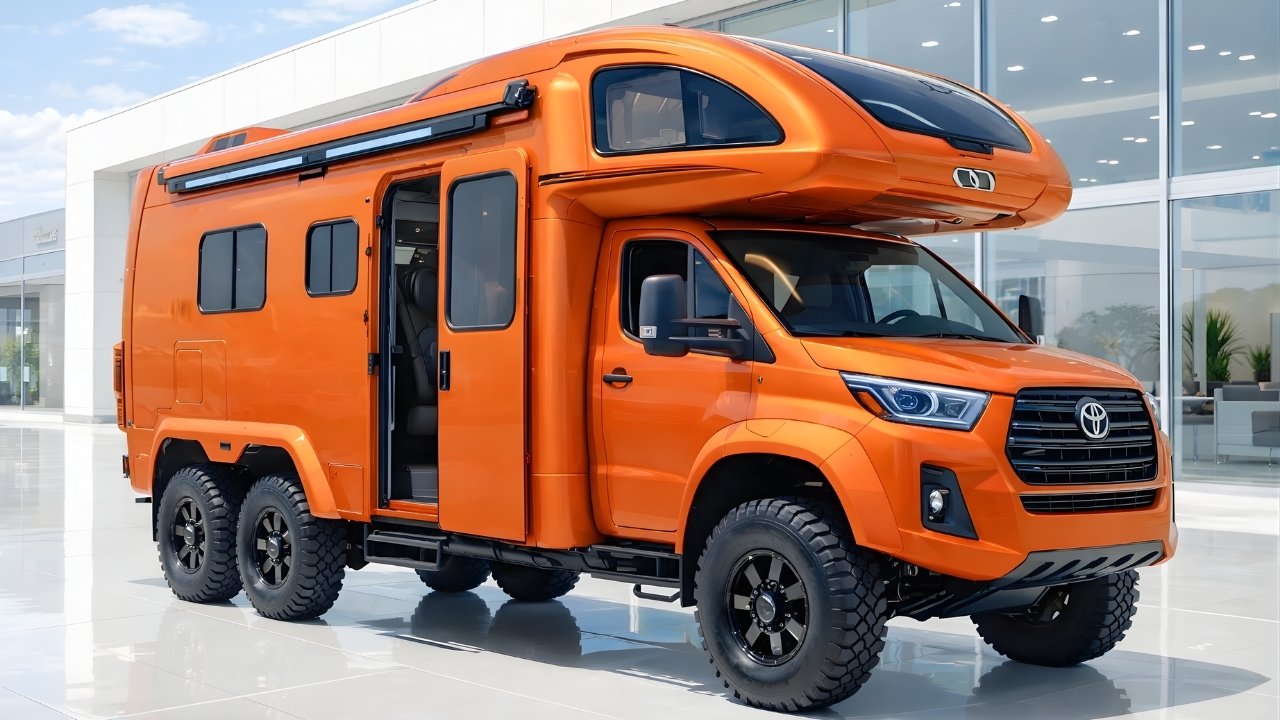
The idea of a 2026 Toyota Motorhome reflects a broader shift in global travel preferences, where comfort, independence, and refinement matter as much as destination. While Toyota has not officially confirmed a single production motorhome under this exact name, industry discussions and concept interpretations suggest the brand is exploring premium recreational mobility built on its reputation for reliability and thoughtful engineering. The vision centers on a coachbuilt motorhome that blends automotive precision with the ambience of a high end mobile residence.
This emerging category is shaped by changing lifestyles, including long distance road travel, remote work, and experiential tourism. Rather than focusing on mass market camper vans, the 2026 Toyota Motorhome concept is positioned as a sophisticated touring vehicle for buyers who value quiet luxury, intelligent design, and long term durability. Many of the details discussed remain estimates or speculative interpretations based on current Toyota platforms and global RV trends.
Exterior Design and Coachbuilt Proportions
Design expectations point toward a clean, architectural exterior that avoids excess while emphasizing proportion and surface quality. The anticipated body style is a low profile motorhome with an integrated cab, smooth side panels, and aerodynamic detailing to reduce wind noise and improve efficiency. Estimated length ranges between 7.5 and 8.5 meters, placing it firmly in the luxury touring class without reaching oversized bus like dimensions.

Coachbuilt construction is expected to play a central role, using lightweight composite panels and aluminum framing for strength and insulation. Large panoramic windows, a flush mounted awning system, and subtle LED lighting would contribute to a premium presence without visual clutter. These features remain conceptual but align with global luxury motorhome design trends and Toyota’s understated design philosophy.
Powertrain Possibilities and Driving Range
Powertrain discussions around the 2026 Toyota Motorhome focus strongly on electrification. Industry speculation points to a hybrid system derived from Toyota’s proven large vehicle platforms, likely combining a petrol engine with electric assistance to balance performance and efficiency. A fully electric variant remains unlikely for this vehicle size in the near term, but partial electrification is widely considered realistic.

Estimated combined output could fall between 250 and 300 horsepower, sufficient for highway cruising and mountain routes with a full load. Driving range is projected at 600 to 700 kilometers between fuel stops, depending on configuration and driving conditions. These figures are estimates rather than confirmed specifications, based on comparable hybrid commercial vehicles and luxury motorhomes currently on the market.
Interior Space and Residential Comfort
Inside, the 2026 Toyota Motorhome concept emphasizes calm, residential comfort rather than novelty. The layout is expected to include a front lounge with convertible seating, a mid mounted galley, and a private rear sleeping area with a full size bed. Ceiling height is estimated at just over two meters, allowing generous headroom without compromising exterior proportions.

Materials would likely reflect a premium lifestyle approach, with natural wood finishes, soft touch textiles, and muted color palettes designed to age gracefully. Advanced insulation, acoustic glazing, and zoned climate control aim to create a quiet, temperature stable environment suitable for long stays. These interior elements are conceptual but consistent with the expectations of buyers in the luxury motorhome segment.
Technology, Connectivity, and Safety Systems
Technology integration is expected to mirror Toyota’s latest automotive advancements while adapting them for extended travel. A large central touchscreen would manage navigation, vehicle settings, and living area functions such as lighting and climate. Voice control and smartphone integration are anticipated, supporting seamless transitions between driving and living modes.

Safety and driver assistance systems are likely to include adaptive cruise control, lane guidance, blind spot monitoring, and a multi camera surround view system. These features are not confirmed for a specific model but reflect Toyota’s established approach to safety across its global lineup. For long distance touring, such systems play a critical role in reducing fatigue and enhancing confidence.
Ownership Experience and Target Audience
The projected price range for a 2026 Toyota Motorhome concept is estimated between 180000 and 250000 US dollars, depending on specification, market, and level of customization. This places it among premium European and Japanese luxury motorhomes rather than entry level recreational vehicles. Pricing remains speculative and would vary significantly by region.

The target buyer is likely a mature, globally minded traveler seeking long term usability rather than seasonal leisure. This includes entrepreneurs, retirees, and remote professionals who value craftsmanship, reliability, and understated luxury. For this audience, the appeal lies not in excess but in the promise of refined freedom, where the journey itself becomes a carefully designed living experience.
The Future of Travel on Toyota Terms
The concept of a 2026 Toyota Motorhome fits within a larger narrative about the future of travel, where mobility adapts to personal rhythm rather than fixed schedules. As tourism becomes more individualized, vehicles that combine transport and residence are gaining renewed relevance. Toyota’s potential entry into this space reflects confidence in engineering longevity and user focused design.
While many details remain unconfirmed, the direction is clear. A Toyota motorhome would prioritize quality, efficiency, and thoughtful comfort over spectacle. If realized, it would represent a quiet but meaningful evolution in luxury mobility, offering a refined alternative for travelers who see the road not as a route, but as a place to live.